Hold the Salt
Road Salt is Bad for the River
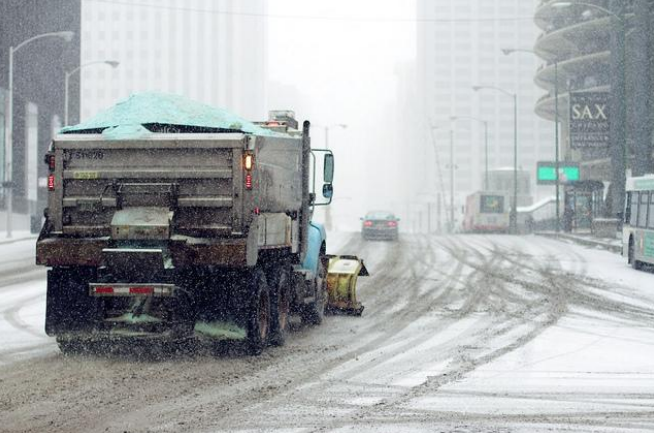
When snow starts falling around Chicago, the salt trucks start spreading. Like clockwork, municipalities throughout the Chicago-Calumet River watershed deploy fleets of plows and salt trucks to combat dangerous road conditions. Road salt, most commonly sodium chloride, functions by lowering the freezing point of ice and snow. The resulting slush makes for safer roads, but carries an environmental cost.
Much of this salt washes away into our waterways as the snow melts, dissolving and accumulating at the bottom of the river. This accumulation in and near water harms riverbank habitat and creates a toxic environment for fish and wildlife.
Salt pollution harms wildlife and aquatic ecosystems by:
-
Disrupting fish physiology. Elevated chlorides interfere with freshwater organisms’ ability to regulate salts in their bodies, increasing stress and reducing survival.
-
Inhibiting spawning and reproduction. chlorides have variable effects on a wide-range of freshwater fish and often inhibit spawning.
-
Threatening eggs and early life stages. Experimental research shows salt exposure during fertilization and egg development can reduce egg viability and survival, making early life stages especially vulnerable.
-
Reducing biodiversity and altering food webs. Elevated salinity affects algae, zooplankton, macroinvertebrates, and fish, leading to declines in diversity and cascading ecosystem impacts.
-
Causing long-term ecosystem changes. Road salt has been linked to reduced survival, growth, reproduction, population size, and overall diversity in freshwater systems.
Recognizing these impacts, one of the landmark improvements to the water quality standards that govern the Chicago-Calumet River system is a new level for chlorides intended to reduce the impact the decades' long increase in the use of road salt has had on the river system. The new standard, 500 milligrams per liter year round (as of 2018), will promote healthier environment that does not interfere with the life cycles of aquatic life.
Want to be part of the solution? Learn what you can do to reduce salt pollution at home, at work, and in your community on this page.
